


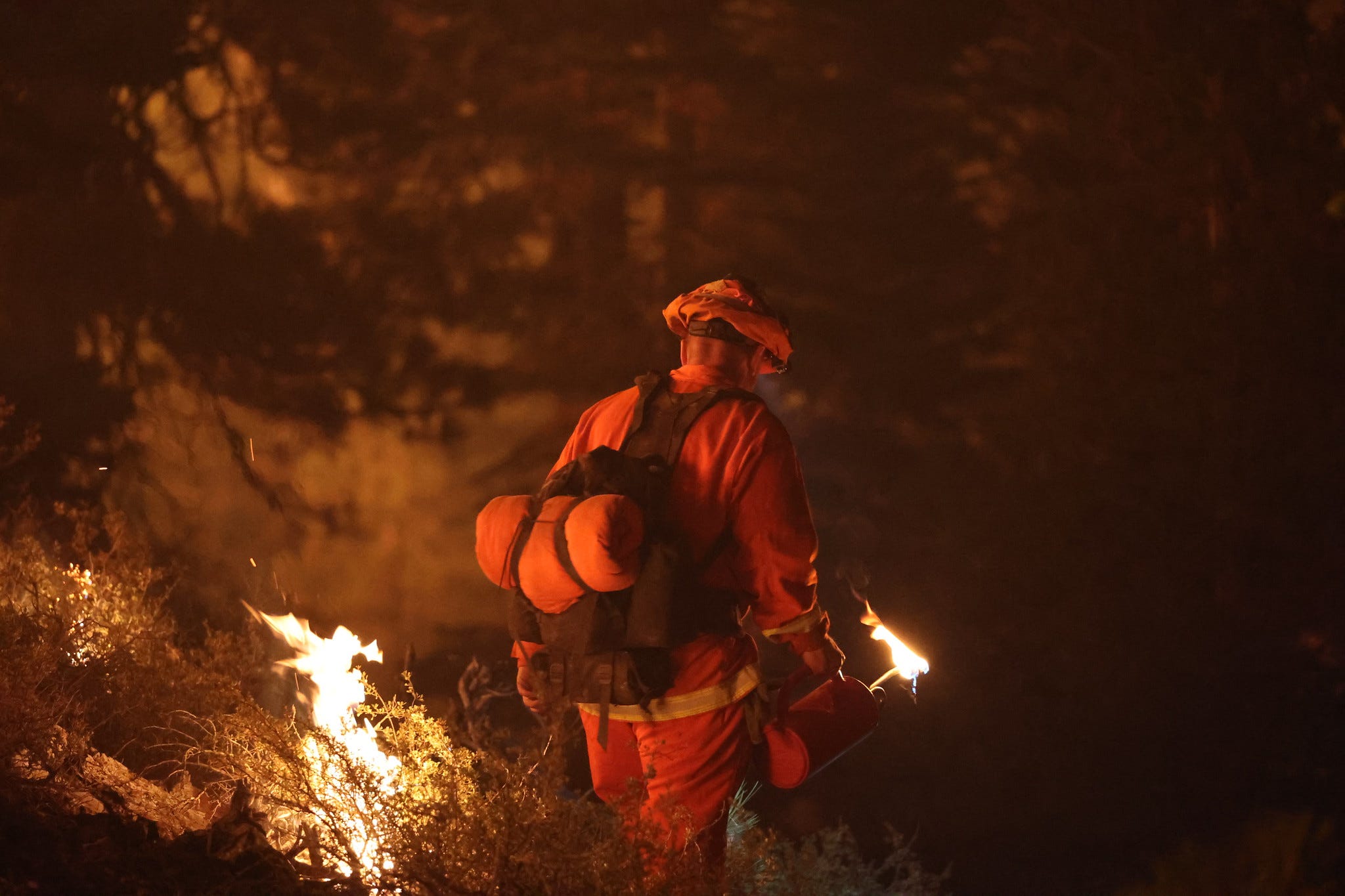
Like many others, I’m sitting comfortably hundreds—if not thousands—of miles away from the wildfires raging through the greater Los Angeles area. But even if I’m not there, it’s hard to escape the scorching headlines and fiery social media posts. The blazes, which have already scorched 38,276 acres and claimed at least 13 lives (with many more missing), are a disaster unfolding in real time.
As firefighters tirelessly battle the flames, it’s worth noting that nearly 44% of those firefighters aren’t exactly who you might expect. That’s right—nearly a third of the people working around the clock to save lives and property are inmates. Since 1915, the California Department of Corrections and Rehabilitation (CDCR) has employed incarcerated individuals through its Conservation Camp Program, training them to fight fires and respond to natural disasters. Today, there are 36 conservation (fire) camps across the state in partnership with CAL FIRE and the Los Angeles County Fire Department.
As California braces for a future defined by longer, more intense fire seasons due to climate change, the practice of using prison labor to fight fires is stirring up its own set of flames. Critics have called it exploitative, and for good reason. Because, spoiler alert: the system’s roots are in forced labor—yes, slave labor.
You see, when the 13th Amendment abolished chattel slavery in the U.S., it included a little loophole: anyone convicted of a crime could be forced to work for public or private enterprises. So, if you’re wondering why prison labor is still a thing, look no further than that convenient clause.
Who Are These Inmates Fighting Fires?
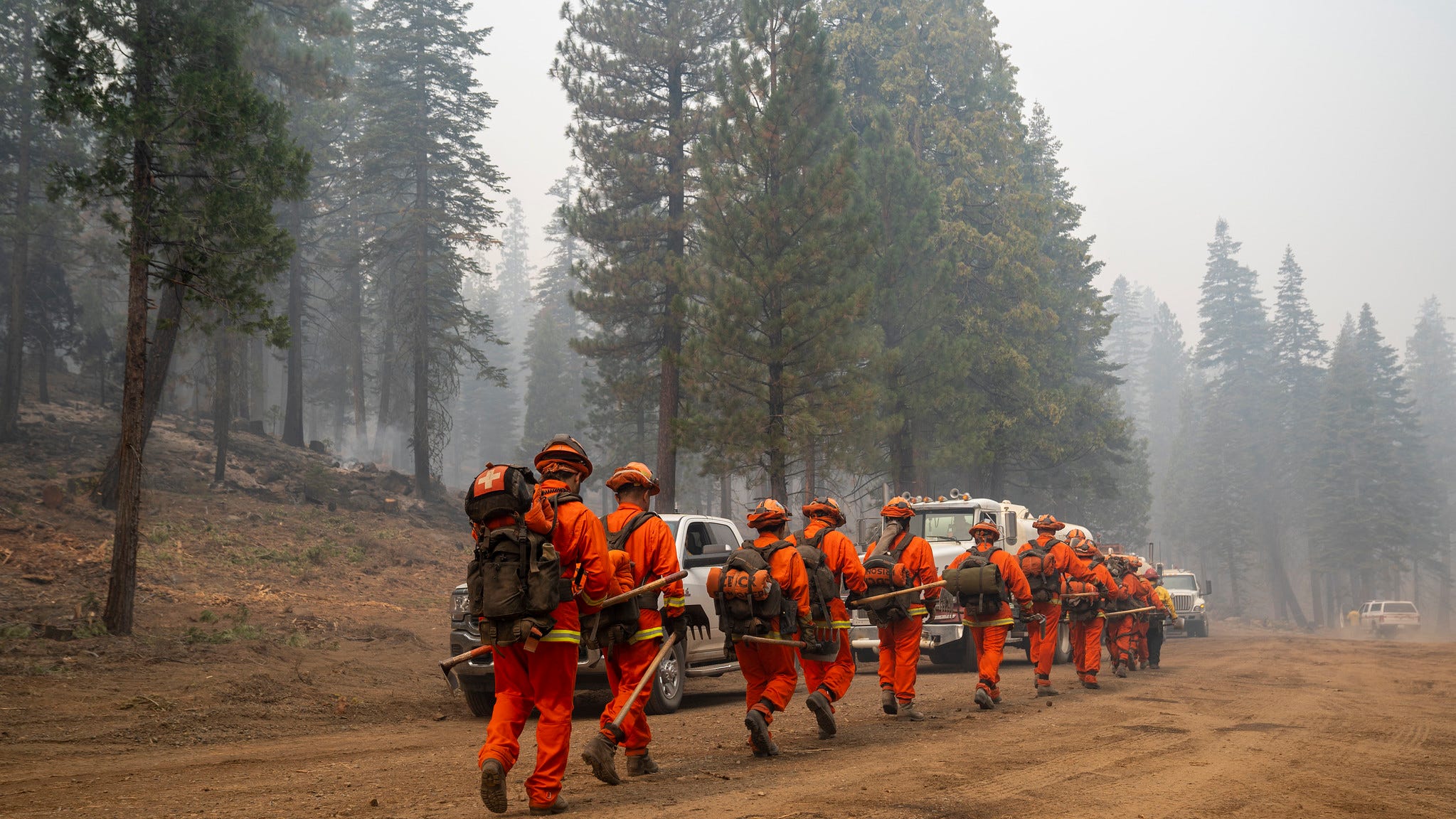
California’s use of inmate firefighters isn’t exactly new. The state has relied on incarcerated people since World War II to respond to fires, floods, and other disasters, as well as tackle conservation projects. But don’t mistake this for a get-out-of-jail-free card. Inmates in this program volunteer for the job under specific conditions: they must demonstrate good behavior, have eight years or less left on their sentence, and steer clear of certain convictions (no rapists, murderers, or arsonists need apply).
These inmates are paid a daily wage ranging from $5.80 to $10.24. Yep, you read that right—$10 a day. That’s a grand total of $2,652 a year if they work a five-day week. For comparison, a standard firefighter in California pulls in about $52,784 annually—11 percent above the national average. Oh, and while they're saving California from burning to the ground, these inmate firefighters live on a $4-a-day food budget. It’s not nearly enough to fuel the grueling manual labor required by the job.
And then there’s the injury rate—incarcerated firefighters are four times more likely to sustain injuries than their non-incarcerated counterparts and have the highest injury rates among all prison workers. So, let’s review: less pay, subpar food, and far more risk. But hey, they get to be heroes, right?
These inmates aren’t just fighting fires; they’re part of a much larger national system that produces over $11 billion in goods and services annually. And let’s call it what it is: prison labor is often—and rightly—called slave labor. It’s a hot topic, and one that was brought to the public’s attention last year via California’s Proposition 6, which sought to end the use of prisoners for unpaid labor. Unfortunately, voters said “no,” signaling just how hard it is to break free from the chains of prison labor.
And helping to perpetuate this system is popular media. Enter: Fire Country.
The Real Reason Behind These Fire Camps
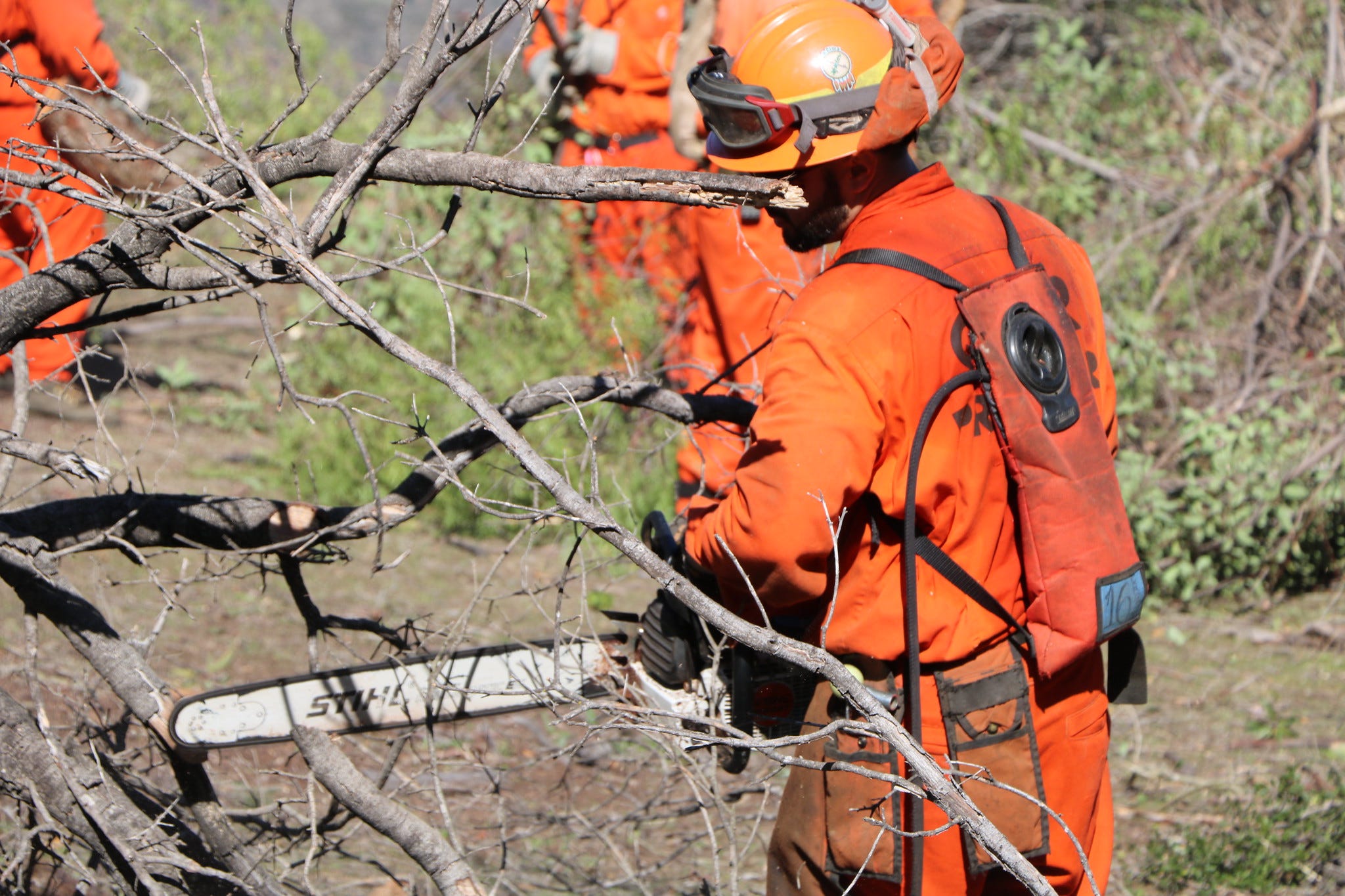
Sure, Fire Country may look like a feel-good drama about inmates redeeming themselves while saving the day, but don’t let Hollywood fool you. The road to redemption isn’t nearly as clear-cut as CBS would have you believe.
Now, anyone who knows me knows I’m all for prison systems that focus on rehabilitation—systems that actually help inmates reintegrate into society. Trust me, I’d trade places with the rehabilitative European models in a heartbeat. But Fire Country and the CDCR want you to think that’s the goal here. It’s not.
The real goal of this program is to exploit incarcerated individuals for cheap labor. They volunteer, not because they’ve always wanted to become professional firefighters, but for time reduction and because, in a system that treats them as less-than-human, this is their chance to actually feel human again. They risk life and limb for pennies, hoping it will lead to a better future.
But when these same inmates are released, they face significant roadblocks in their pursuit of a firefighting career—through legal barriers and the stigma of being an ex-felon (despite the United States getting ready to put a felon in the Oval Office). Sure, California passed Assembly Bill No. 2147, which allows former prison firefighters to petition for faster expungement of their records. But that doesn’t solve everything. There are still legal restrictions, particularly when it comes to EMT certification, which is required for many firefighting jobs at the county and municipal levels. So even after they’ve risked their lives for the state, many can’t even get a foot in the door once they’re free.
The End of the 13th Amendment Loophole: Time to Face the Fire
In the end, the 13th Amendment loophole has allowed the exploitation of incarcerated individuals under the guise of rehabilitation, all while providing a convenient solution to California’s labor shortages. It's a system that profits from suffering, all wrapped in the false promise of redemption. If we truly want to end this cycle, we need to confront the uncomfortable reality that prison labor, in any form, is simply modern-day slavery. Until that happens, the flames of injustice will continue to burn, long after the fires are out.